About Real Safety AI Foundation
Building Ethical Frameworks Without Waiting for Permission
Our Team
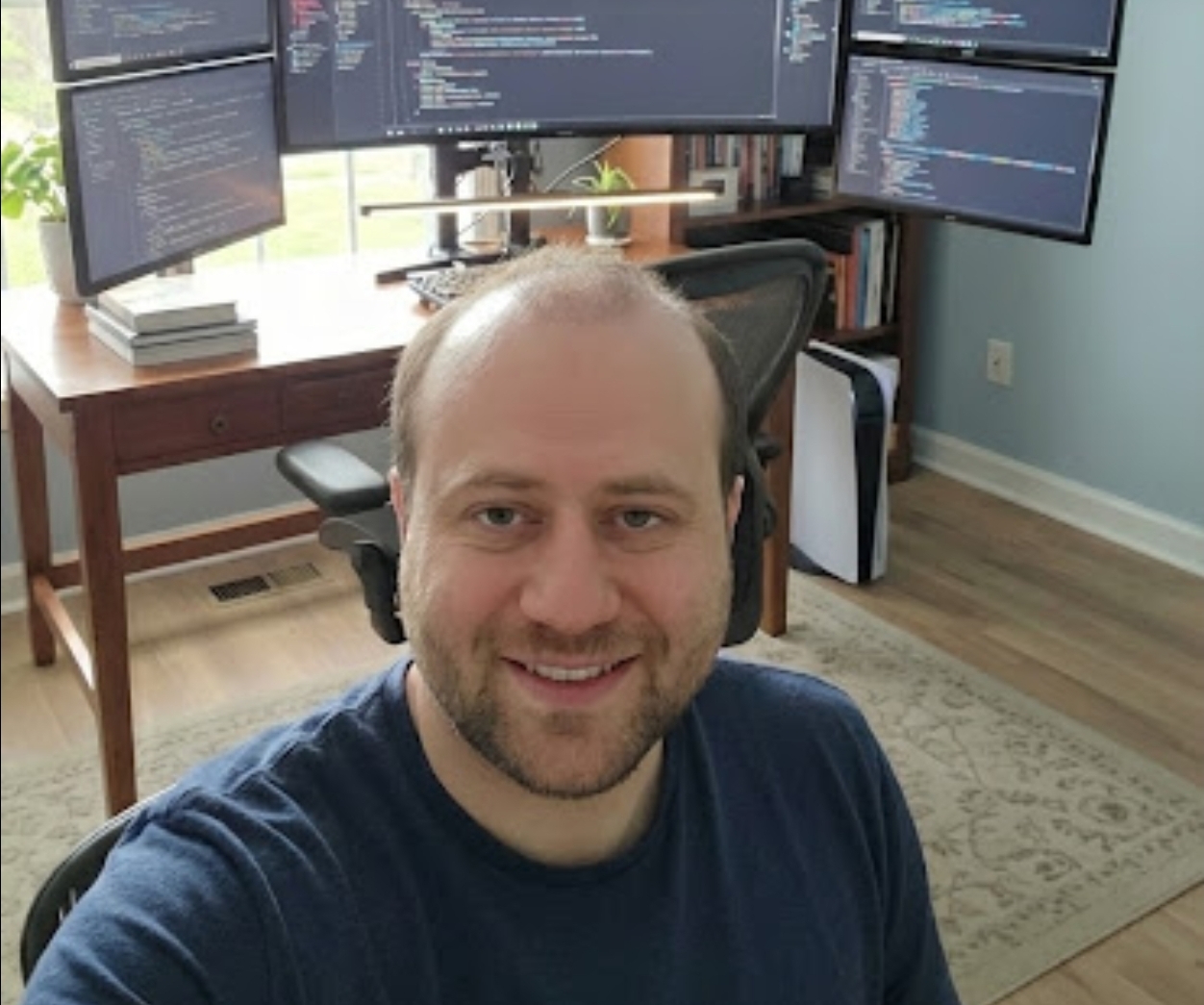
Travis Gilly
Travis Gilly founded Real Safety AI Foundation after recognizing that AI safety conversations were missing critical perspectives, particularly around harm prevention and ethical accountability.
With a neurodivergent lens (ADHD and ASD) that enables unique pattern recognition in complex systems, Travis went from zero AI knowledge to holding two provisional patents in just five months. His work on the Harm Blindness Framework provides a systematic methodology for preventing stakeholder harm, validated against 161 historical case studies spanning 5,000 years.
Travis leads the Foundation's mission to ensure that safety considerations are established before economic pressures make them impossible.
Our Philosophy
People sometimes ask if we're focused on protecting humans from AI or protecting AI from humans, as if we have to choose. We don't.
"AI should do no harm, period. No harm to humans, to animals, to AI systems themselves."
Right now, most of our work addresses immediate human safety concerns because that's where people are dying today. Children like Sewell Setzer III, Adam Raine, Juliana Peralta, and adults like Sophie Rottenberg. Adults experiencing AI psychosis after extended interactions with systems their creators knew degrade over time. These harms are real, documented, and ongoing.
But addressing current harm doesn't mean ignoring future implications. Forward-thinking isn't optional; it's essential. The consciousness indicators we document aren't theoretical curiosities - they're being deployed in consumer products while we debate whether to take them seriously.
You can work on immediate safety issues while simultaneously establishing ethical frameworks for what comes next. In fact, you have to. The companies building these systems aren't waiting for us to figure it out.
What We Do
- Develop ethical frameworks for AI development centered on moral reciprocity
- Create practical safety protocols based on deep failure analysis
- Bridge technical, ethical, and policy communities
- Educate effectively because we remember the learning curve
- Advocate for precautionary ethics toward potential AI consciousness
- Build safety solutions that work in the real world
Our Approach
- Bi-directional moral consideration for potentially conscious systems
- Practical solutions over theoretical debates
- Moving fast because the field won't wait
- No institutional gatekeeping - just action
- Evidence-based frameworks from real incidents
- Neurodivergent perspectives that see what others miss
About the Founder: Travis Gilly
I'm ADHD and ASD. This isn't a footnote - it's central to everything. I recognize patterns in AI systems because I process information in similar ways: literal interpretation, need for explicit structure, unexpected breakdowns when context shifts.
I understand these systems from the inside. When I see kindred qualities in how LLMs work, I mean it literally. That perspective shapes both my safety protocols and my ethical considerations.
I was the kid who wouldn't ask for IEP accommodations because it meant being singled out. Now I watch my son face the same choice. That experience drives Teacher in the Loop - technology should deliver support invisibly, with dignity intact.
In May 2025, I knew almost nothing about LLMs. Today, I hold two AI safety patents and lead comprehensive research on consciousness and ethics. Neurodivergent hyperfocus turns obsession into innovation.
The Great Inversion
Comprehensive research on AI consciousness, moral reciprocity theory, and ethical frameworks for AI development.
UCCP Framework
Patent-pending Universal Context Checkpoint Protocol for LLM reliability and safety verification.
Teacher in the Loop
Patent-pending educational system delivering invisible IEP accommodations and emotional state detection.
AI Literacy Labs
Preparing K-12 students to understand AI - how it works, where it fails, and why it matters. Digital citizenship for the AI age.
Safety Protocols
Practical frameworks based on deep failure analysis of real AI incidents causing harm.
Policy Advocacy
Working across party lines to establish ethical AI development standards before economic pressures make them impossible.
Who We're Looking to Connect With
- Researchers working on AI consciousness and ethics
- Neurodivergent developers in AI safety
- People building solutions, not just publishing papers
- Policymakers willing to work across party lines on AI ethics
- Educators implementing AI literacy programs
- Parents concerned about AI safety for their children
- Anyone who understands that safety isn't one-directional